
Fidget Rings for Kids
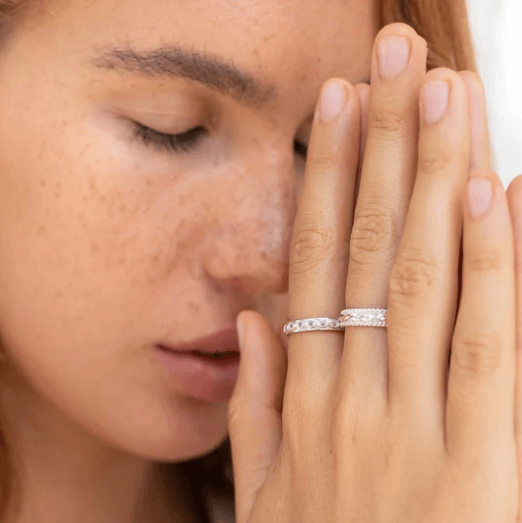
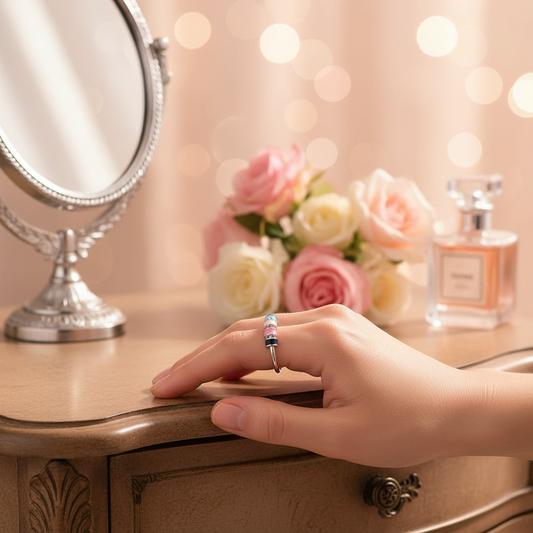
Children experience anxiety too, and having a safe, physical outlet can make a real difference. Our fidget rings for kids are durable, easy to use, and quiet enough for a classroom.
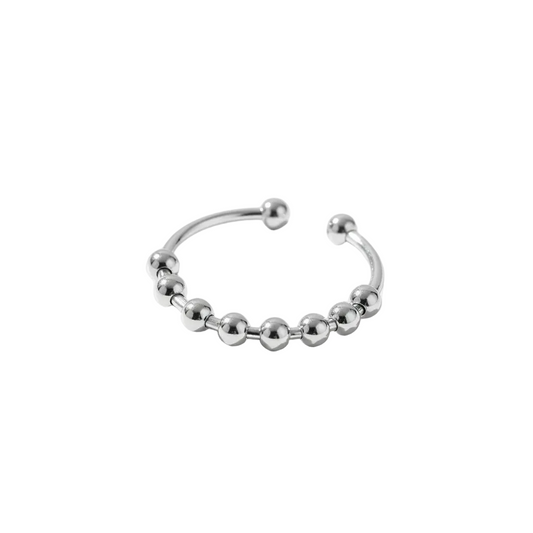
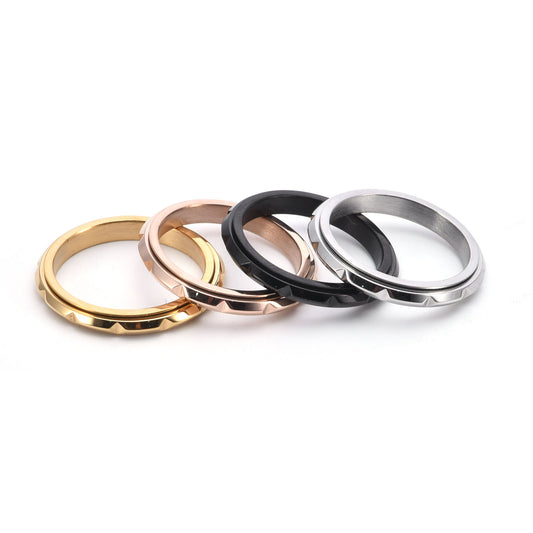
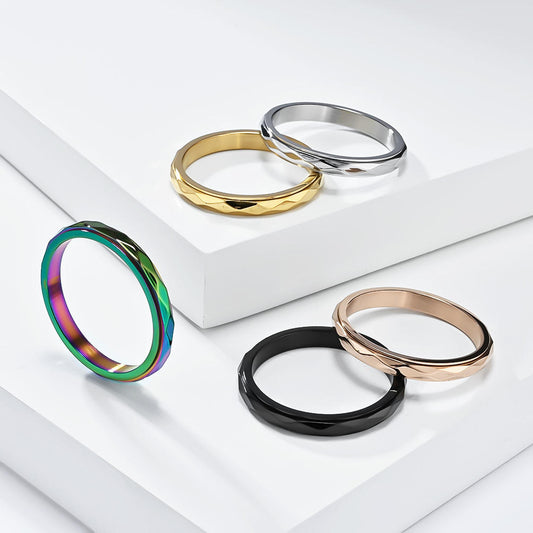
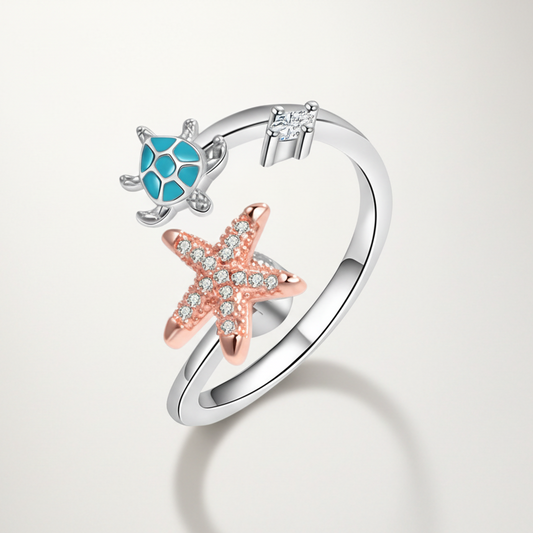
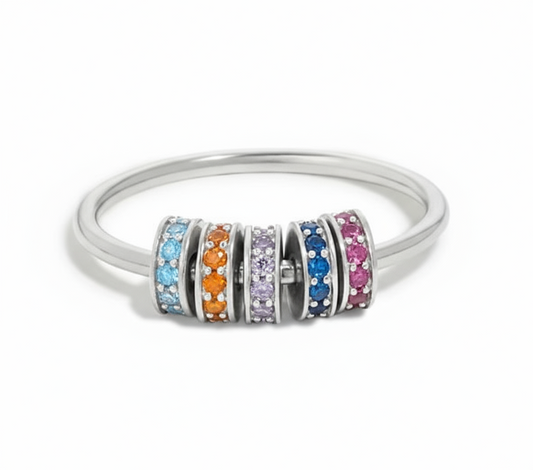
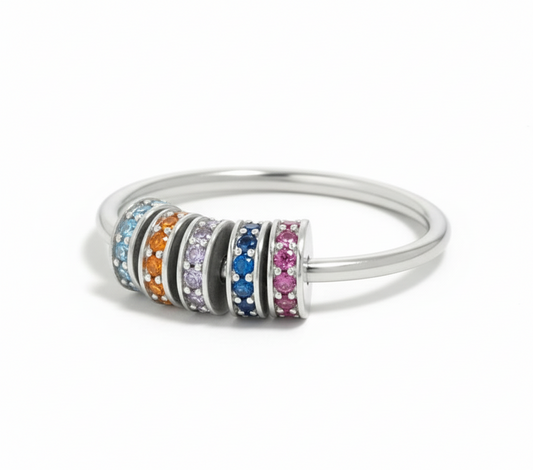
Each ring has a smooth spinning or sliding band that helps redirect restless energy and anxious feelings. Unlike most fidget toys there's nothing to drop, lose in a backpack, or have confiscated, because to a teacher it looks like jewelry. Made to last through school days, car rides, and the moments kids need to reset.
You'll find everything from a $10 fidget ring to a sterling silver spinner ring, because a five-year-old and a fourteen-year-old need very different things. The mechanism is the same at every price. If you're finding out whether a fidget tool helps your child at all, start at the lower end.
Rated 4.8 out of 5 by our community and trusted by parents across Canada. Also a thoughtful gift for a child navigating anxiety, sensory challenges, or just a difficult time.
Find the perfect fidget ring size here (traditional Canada/US sizing)
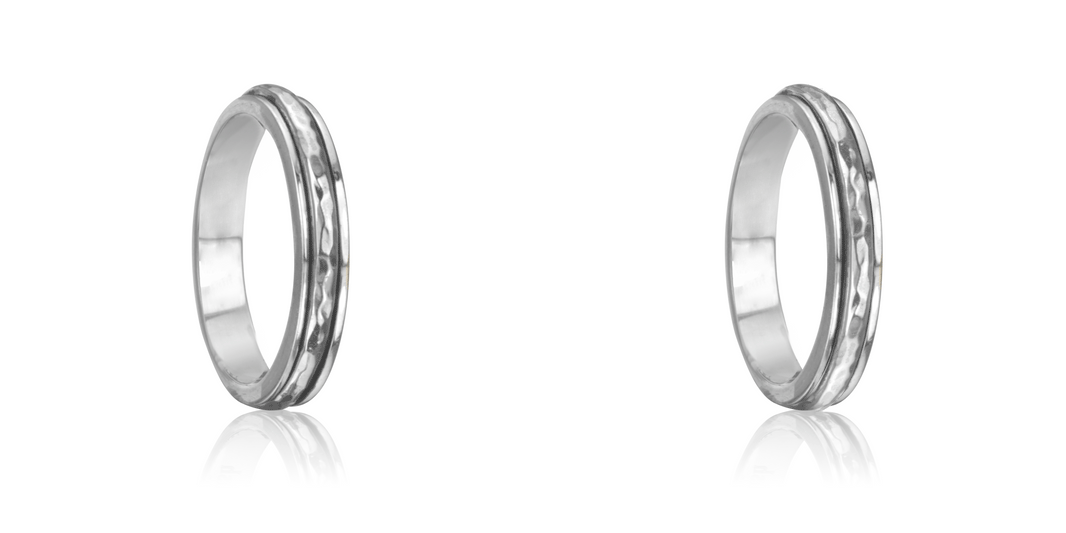
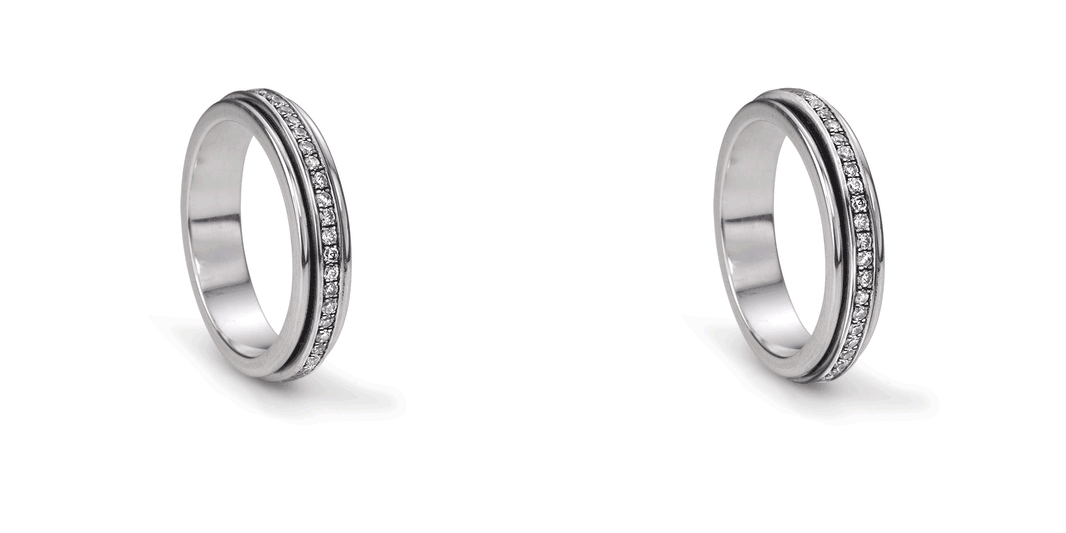
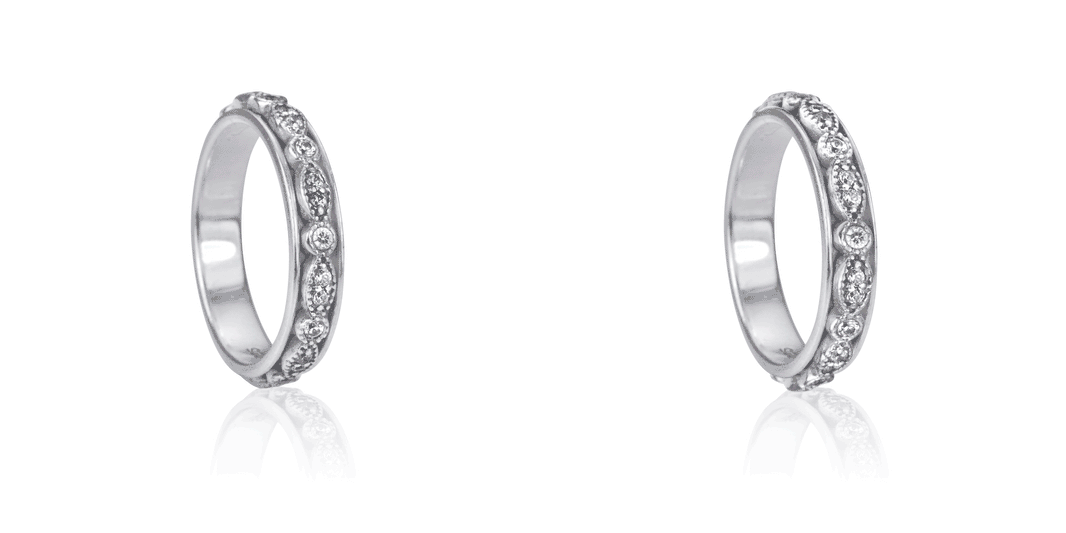
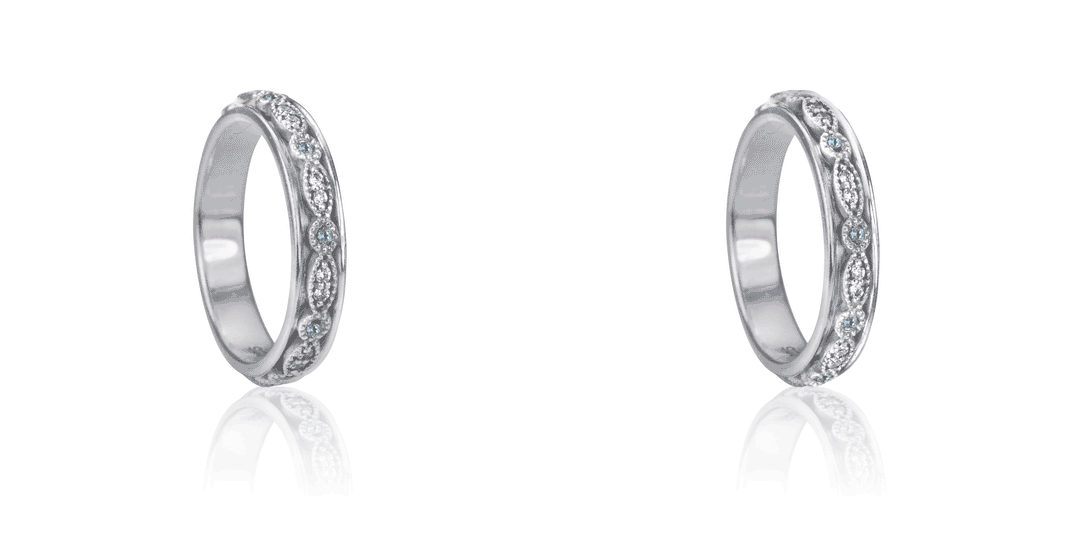
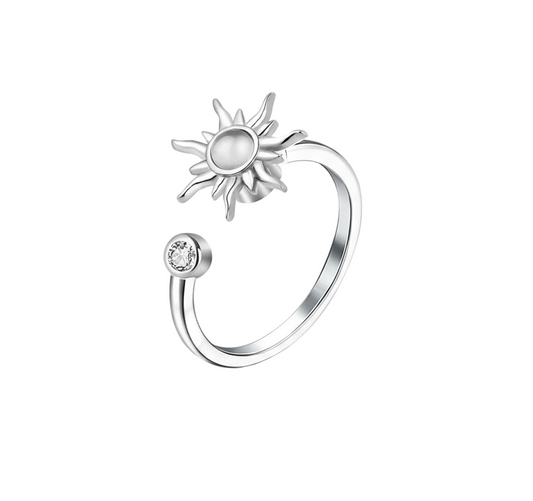
Lunar Silver Cubic Zirconia Fidget Ring
Regular price
$119.00
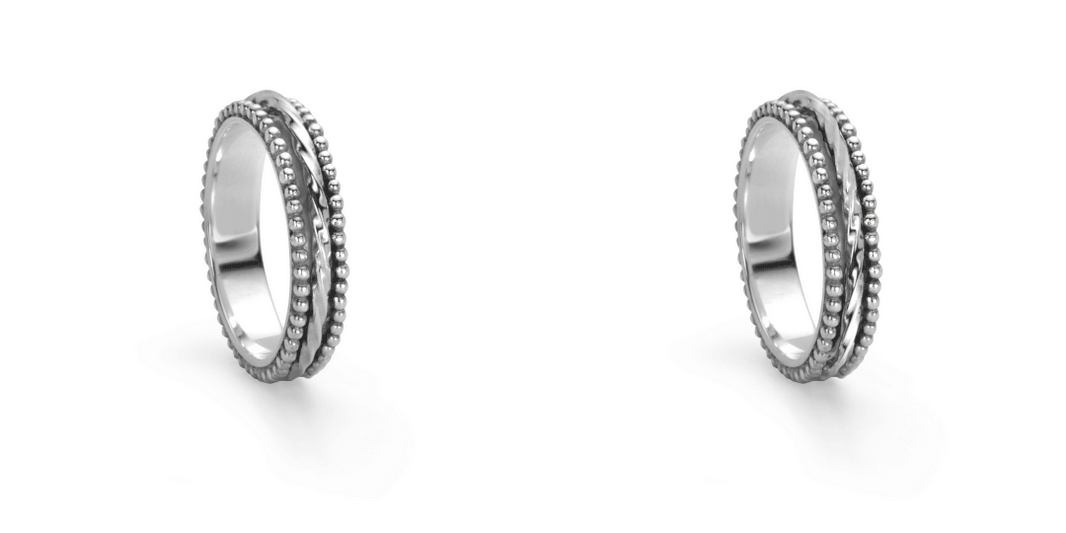
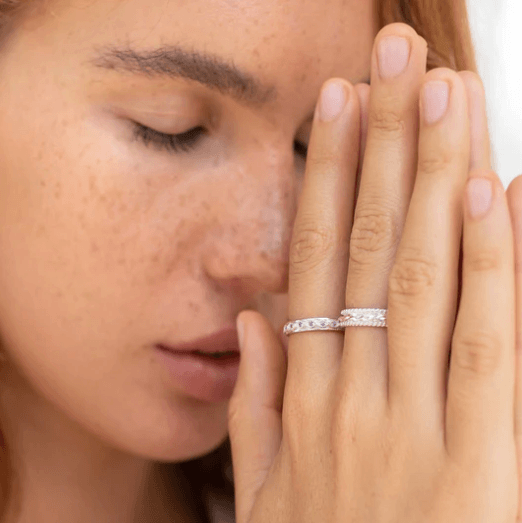
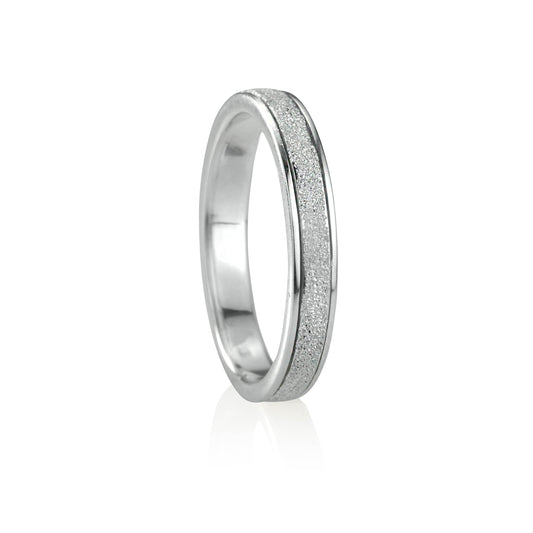
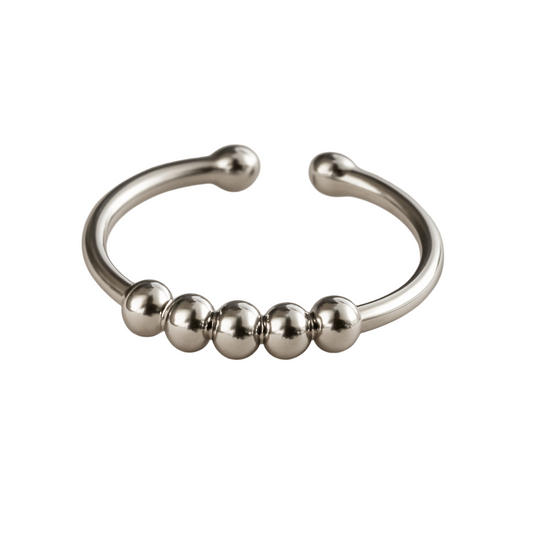
Chakra Silver Fidget Ring, 4mm Sterling Silver Band
Regular price
$79.00
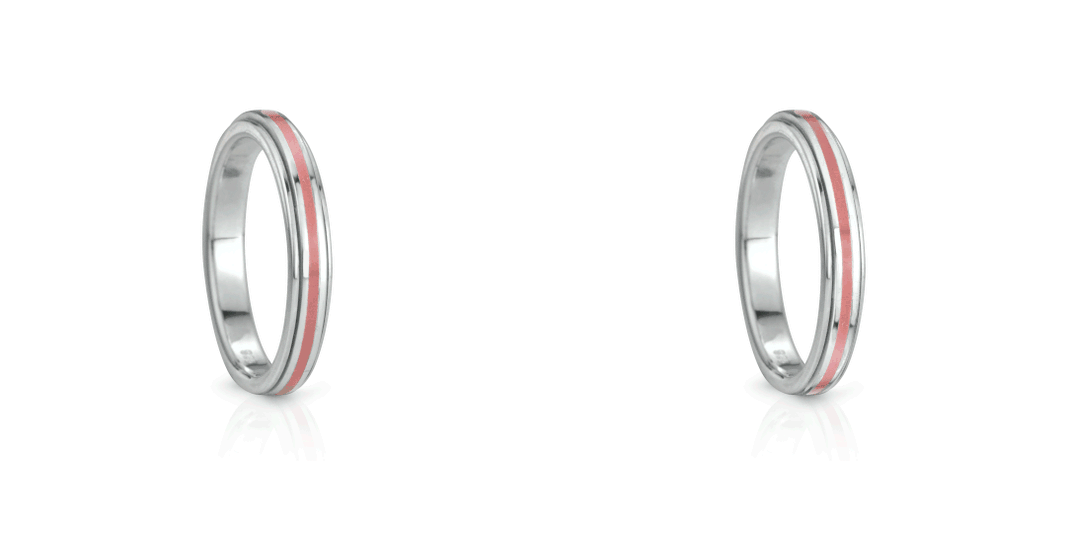

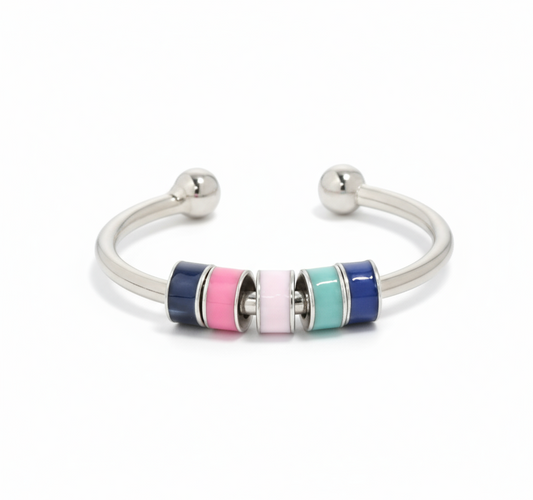
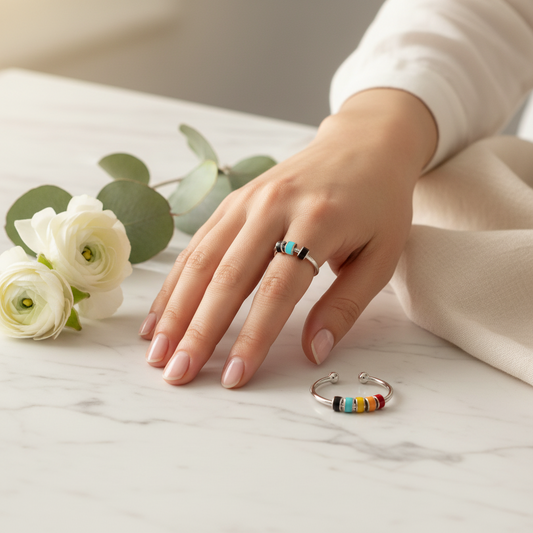
Live Enamel Fidget Ring
Regular price
$69.00

-55%
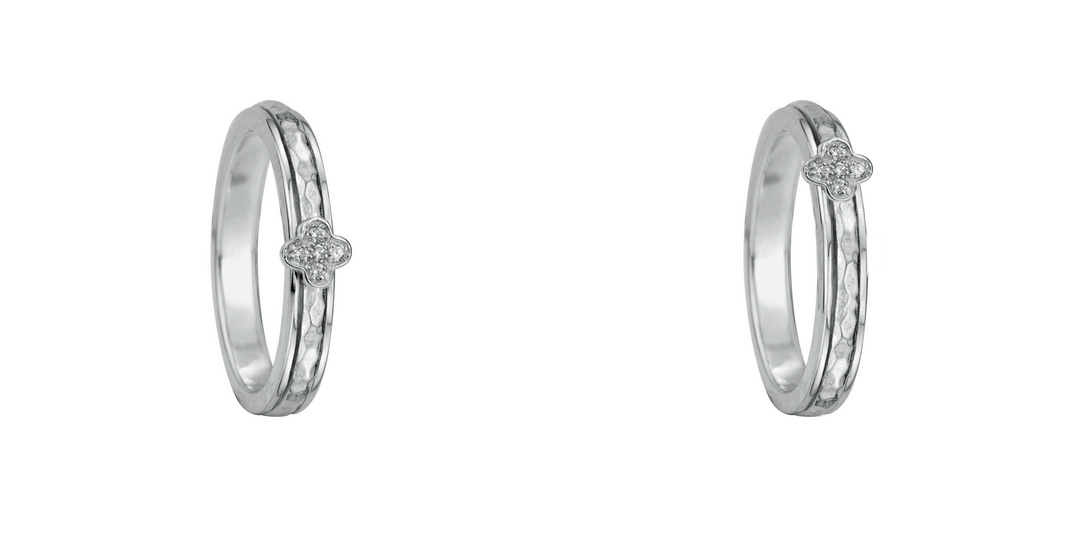
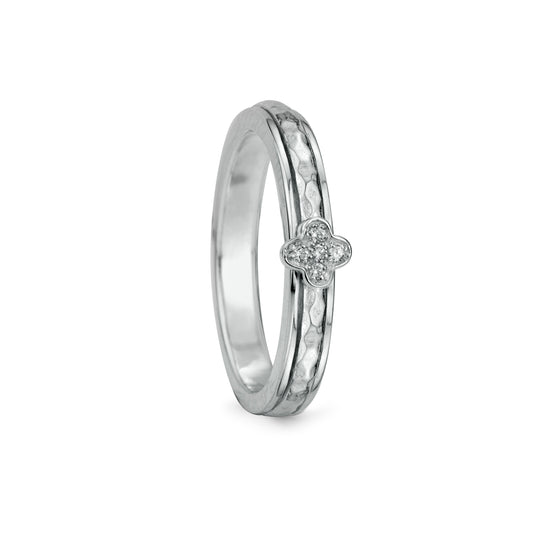
Lucky Clover Fidget Ring
Regular price
$109.00
-45%
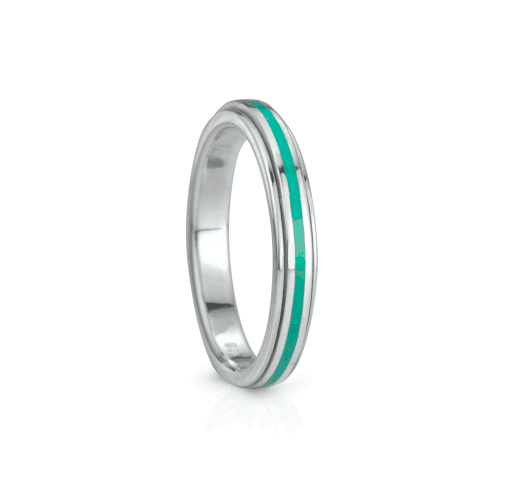
Ocean Turquoise Enamel Ring
Regular price
$69.00
-55%
-23%
-19%
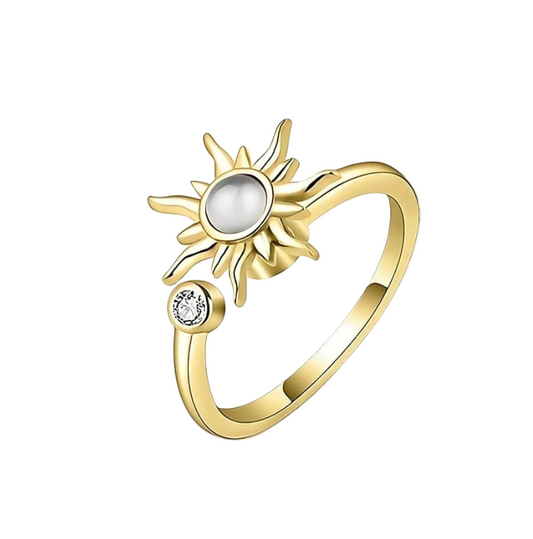
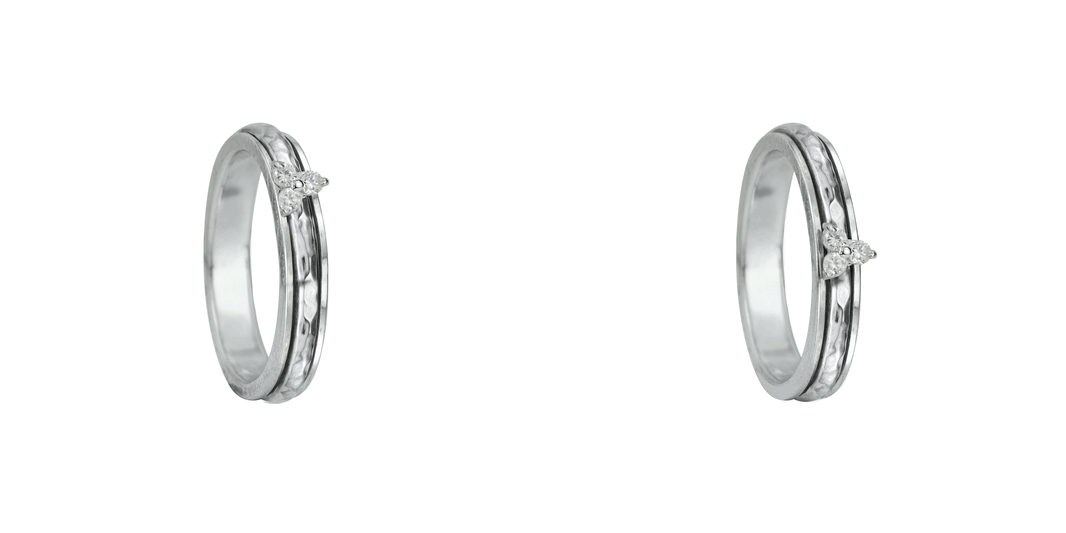
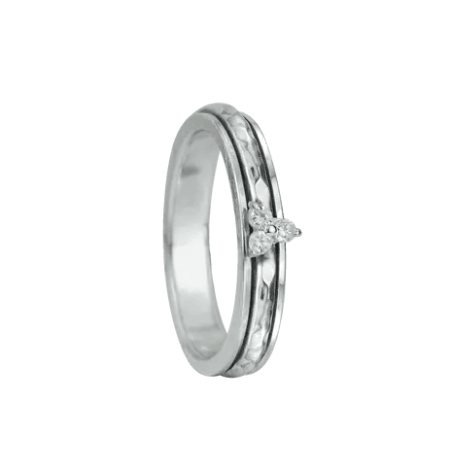
Dew Teardrop Fidget Ring in Sterling Silver, 4mm
Regular price
$109.00
-50%
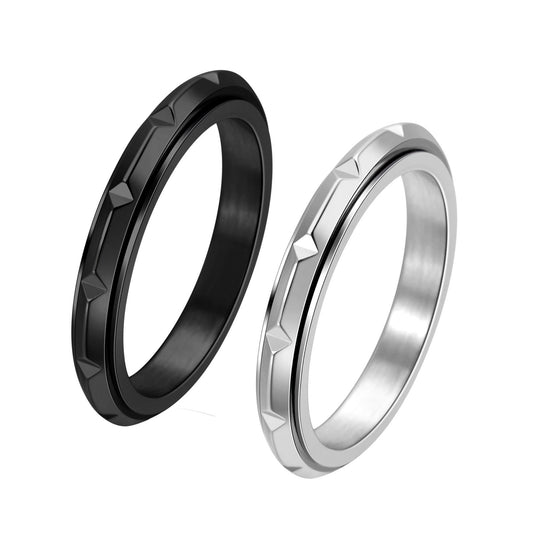
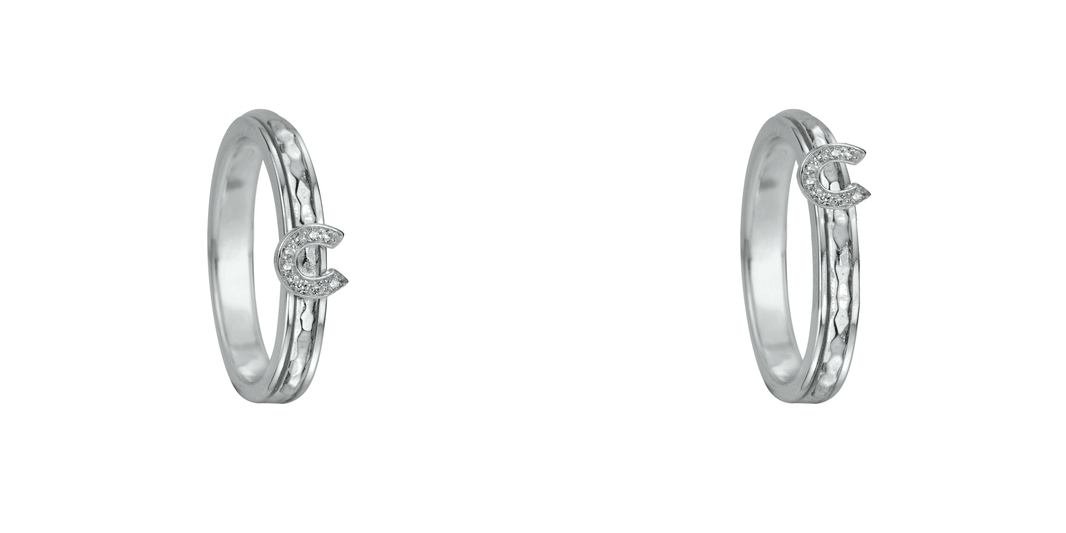
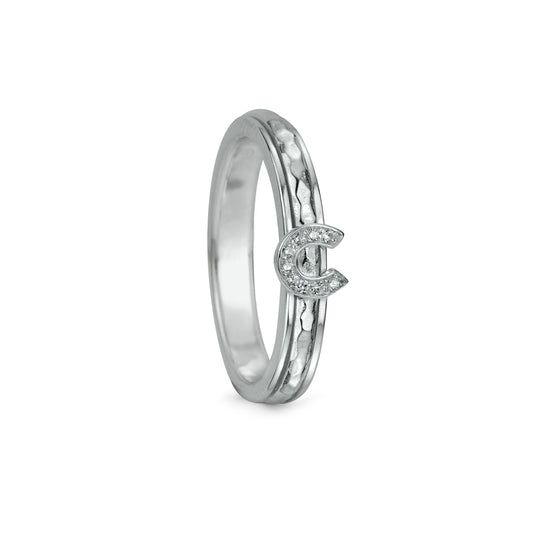
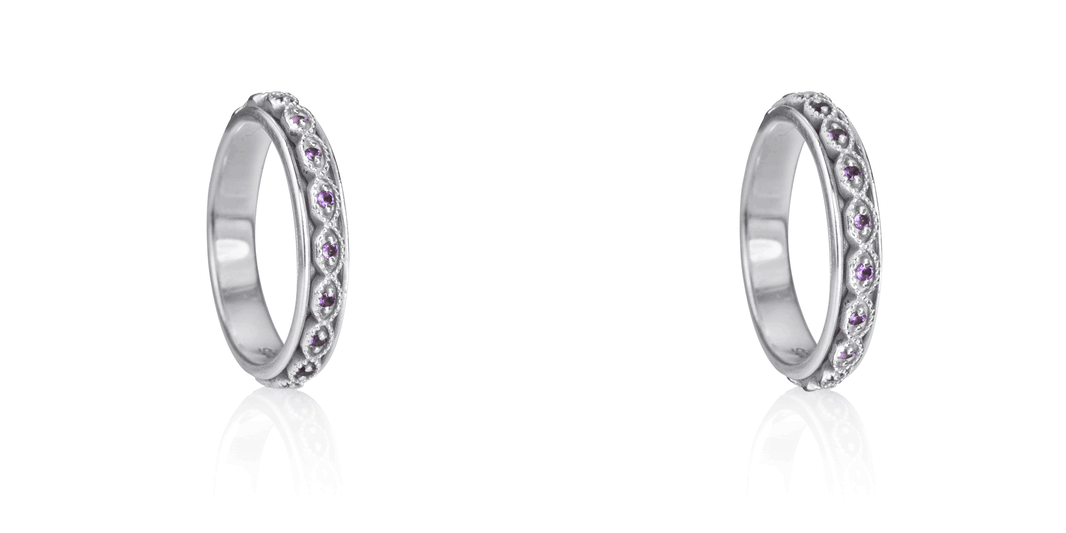
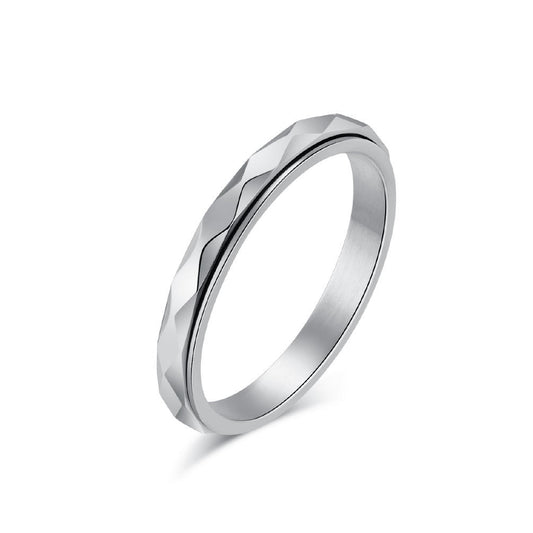
Charmed Spinning Fidget Ring in Sterling Silver, 4mm
Regular price
$109.00
-50%
-25%

-64%
Frequently asked questions
What age are fidget rings suitable for?
Most children handle a fidget ring well from around age 5, though it depends on the child. Younger than that, silicone worry stones and pop-its are the safer choice, since they're soft and have no small parts. Rings need to fit properly to stay on, so measuring matters.
Are fidget rings allowed in school?
Usually, and more often than other fidget toys. A ring looks like jewelry rather than a toy, doesn't make noise, and can't be passed around the classroom. That said, policies vary, so it's worth a quick word with the teacher.
Do fidget tools help children with ADHD?
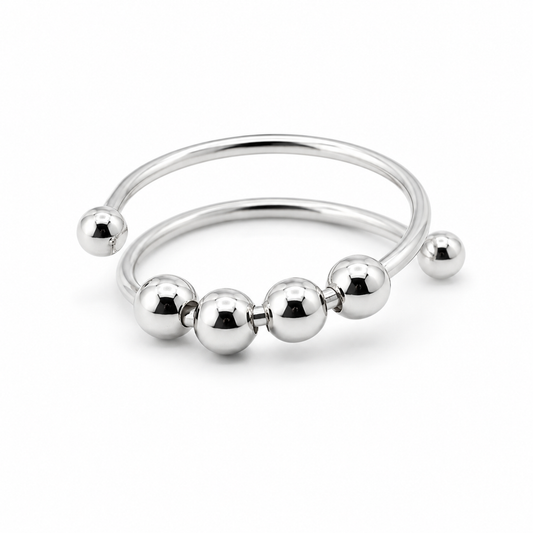
Many parents report that a quiet, repetitive motion helps their child stay with a task. Every child is different, and this isn't a clinical recommendation. If a smooth fidget doesn't hold their attention, a textured or beaded one usually gives stronger feedback.
How do I find my child's ring size?
Our sizing guide covers two ways to measure at home. Children's fingers change quickly, so if you're between sizes, size up, or choose an adjustable open-band style that fits a range.
Are these safe for younger children?
The silicone worry stones, pop-its and putty are designed for younger hands: soft, unbreakable and with no small removable parts. Rings, necklaces and crystal stones are better suited to older children. As always, you know your child best.
What if my child loses it?
Assume they will, at least once. That's why we'd suggest starting with something inexpensive, and why the silicone worry stones come in a six-pack. One for a backpack, one for a desk, one at home.
Do you ship to the US?
Yes. We ship to Canada, the United States and internationally from Kitchener, Ontario. Canadian orders arrive without surprise customs charges. Duties may apply outside Canada.